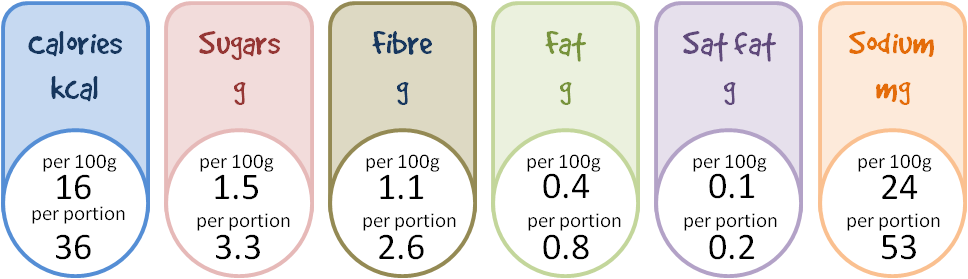
Essene bread is a dense, filling, unleavened bread made from whole sprouted grains, usually wheat, but may also include barley, rye, spelt, millet and/or buckwheat. It is rich in beneficial nutrients.
Essene bread contains no yeast, no dairy, no eggs, no oil or fat, no sweetener. It is only sprouted grain, with added salt if you wish.
Essene bread has become popular in recent years and is sold in natural and health food stores. It sometimes includes nuts, seeds, raisins, dates and herbs, which can make the bread more like a moist malt loaf. It has a naturally sweet taste.
The Essenes were a Jewish sect with about 4000 members, which flourished around the time of Christ. They lived an ascetic lifestyle in the countryside and practised vegetarianism.
Wherever they lived, the common people always called them “The Healers”. The word ‘Essene’ comes from the Aramaic word ‘Assaya’, which means ‘Healer’.
In Egypt, the Essenes were called ‘Therapeutae’, which means ‘Healer’ and is the origin of the word ‘Therapist’.
Philo of Alexandria, in a book written two thousand years ago, wrote that the Essenes were not only the best healers of the body, but also of the mind and soul.
Not only did they heal others, they also lived a healing lifestyle that caused them to live to very advanced ages.
The Jewish historian Josephus, in a book written two thousand years ago, declares that the Essenes lived to an average age of over 100 years, many reaching the age of 120. And that was at a time when the average age of death of non-Essenes was 45.
The staple food of the Essenes was bread made from sprouted whole grains or berry roots, which were finely ground, mixed with water, and cooked at low temperatures in order to preserve the vitamins, minerals and enzymes.
Due to the way it is made, Essene bread is sometimes referred to as a "living loaf" because the grains are partially raw and the enzymes are left intact.
These plant enzymes support digestion and the process of sprouting reduces the content of phytic acid, a substance present in grains that inhibits absorption of minerals.
Rich in vitamins and minerals
Commercial bread manufacturing uses the endosperm of the wheat kernel, which contains mainly carbohydrate and very little vitamin or mineral content. The commercial milling of grain into white flour removes the bran and the germ, which results in the loss of natural fibre and numerous vitamins and minerals. To compensate, bread manufacturers often add back thiamine, riboflavin, niacin, folic acid, calcium and iron.
Essene bread, on the other hand, contains whole grains and thus retains all the nutrients.
When grains, seeds and nuts are germinated, their nutrients become easier for the body to assimilate.
Because Essene bread is not baked at high temperatures, less nutrients are destroyed in the cooking process.
High in antioxidants
Sprouted grains, seeds and nuts are high in antioxidants. Antioxidants protect the body from the by-products of oxidation in the body, referred to as free-radicals, which are thought to be responsible for aging, tissue damage and disease.
High in fibre
In addition to being very digestible, sprouted grains are an excellent source of fibre and plant protein.
Fibre has many beneficial effects on health, for example, it promotes bowel movements and assists with the healthy regulation of blood sugar, cholesterol and oestrogen levels in the blood.
RECIPE
How to make bread from sprouted grains
Ingredients
1-2 cups dry grain – e.g., wheat, spelt barley, rye, buckwheat (this will yield 4-6 cups sprouted grain). Barley gives a moister consistency and more of a caramel or malty flavour when mixed in with wheat.
Water
Instructions
There are 5 basic steps:
- Soak the grain.
- Sprout the grain.
- Grind the grain.
- Bake the grain.
- Condition the loaf.
To sprout grains, wash them, soak them in water for 24 hours, then transfer them to a jar with a piece of cloth or nylon window screen secured over its rim.
Rinse with water two to four times a day, depending on the climate and the type of seed, to provide them with moisture and prevent them from souring.
Depending on the type of grain, they will sprout in 3-5 days.
The grains should be soft, and the sprouts just starting. Pick through them to remove any unsprouted or discoloured grains.
Mince the sprouts. You can use a food processor, a blender, or a big pestle and mortar. A slow juicer with the mincing cone attached also works.
Shape the dough into a greased bread pan, or lay it out on some baking paper.
Leave it in a warm spot (20-25 centigrade) for 12-24 hours. It can rise up to double in size. It rises more if it is finely minced. Adding a sourdough starter can help too.
Raw
The best, most alive bread is made if you slow-cook the loaf for a total of 24-36 hours. You can put it in the sun, or use a VERY low oven if your oven can turn down that low. The maximum temperature allowed is 40 centigrade/104 Fahrenheit. If you keep it below that temperature, the high level of enzymes and other nutrients in the sprouted grains are kept intact. This makes a very digestible and healthy loaf.
Baked
Alternatively, you can bake the loaf in an oven at 110-115 centigrade (225-250 Fahrenheit) for two hours. This makes a sweet, almost caramelised, dense loaf. It is similar to many store-sold Essene breads.
Conditioning
After cooking, wrap the cooled loaf in parchment and put into the refrigerator for at least 1 or 2 days.
The bread, after it cools, will be very hard on the outside and very wet on the inside. Conditioning it in the fridge will allow the exterior to soften and the interior to firm up.
Variations
Rather than a loaf, form into flattened balls
To improve the flavour and texture of the traditional bread above:
1 tablespoon olive oil
1/4 teaspoon sea salt
To make a more interesting or a sweeter bread:
1/4 cup of sesame seeds or caraway seeds OR
1/2 cup of currants, raisins or dates
To make a bread that rises more:
1/2 cup of spelt flour
1 tablespoon of kefir whey
or
1 tablespoon of sourdough starter
References
Quod Omnis Probus liber sit “Every Good Man is Free,” 75–91, and the
Apologia pro Iudaeis (in Eusebius”
Praeparatio Evangelica 8.11.1–18), a work usually considered part of the
Hypothetica.
If you have enjoyed this post,
please sign up for my newsletter to keep informed of new information, recipes and courses and visit my
website.