Monday, December 3, 2012

Amchoor Chana


My local health food shop, Earthfare in Glastonbury, has a cornucopia of herbs and spices.  Last time I was there I bought a small packet of mango powder, which is also called amchoor.

Mango powder or amchoor is made from raw green mangoes that are cut, sun-dried, and ground into a pale beige powder.  Mango powder is used much like lemon, but it gives food a tangy, sour taste without adding moisture.  Its tart flavour is used as a souring agent in soups, dals, vegetable dishes and chutneys, especially in northern India.

I had never cooked with mango powder before so I decided to experiment.  As it has a sour flavour, I wanted to balance it with something sweet.

Winter squash is currently in season and has a beautifully sweet taste when cooked slowly, so I decided to combine this with onions, tomatoes, chickpeas and some spices to create a subtle sweet and sour dish.  It was delicious.  So here is my recipe for Amchoor Chana - Chickpeas with Mango Powder.

Amchoor Chana
(serves 4)


Ingredients

1 tablespoon olive oil
1 pinch sea salt
2 medium onions (finely chopped)
2-4 cardamom pods, crushed
1 teaspoon ground cumin
¼ cinnamon stick
1 teaspoon mango powder (amchoor)
1 teaspoon ground coriander
½ winter squash (cut into cubes)
1 can chickpeas (drained) or 2 cups freshly cooked chickpeas
1 can chopped tomatoes
1 dessert spoon white (shiro) miso (dissolved in a little water)

Method

1. Add olive oil, salt and onions to a cooking pot and sauté gently until the onions are soft and translucent.
2. Add the spices and stir for 1 minute
3. Add the winter squash, chickpeas and tomatoes, cover the pot and simmer gently for 30 minutes or until the vegetables are soft.  You may need to add some extra water.
4. Add the white miso.  Taste to check whether the seasoning is to your liking and adjust if necessary.
5. Serve hot with brown rice cooked in turmeric and garnish with fresh coriander.

If you like your dishes with hotter spices, you can also add a whole mild fresh chilli (finely chopped) or half of a bird’s eye chilli (seeds removed and finely chopped).


If you have enjoyed this post and would like to keep in touch please sign up for my free email newsletter.  
You can also follow me on FacebookTwitter, Pinterest and LinkedIn and visit my website.


Swede and sumac soup

Swede and sumac soup

Recently, I bought a swede at a farmer’s market and was musing about what I could make with it.

The swede is a member of the cabbage family; it is often confused with the turnip, though they look quite different. It's also known as yellow turnip, Swedish turnip and Russian turnip and, in America, rutabaga.

Swede has a round shape and a purple-green skin, and the flesh is yellowy-orange, with a sweet, earthy flavour.


I had never made soup from swede and wondered what I could add to lift and balance the earthy flavour.

Searching in my spice cupboard, I found a jar of sumac.

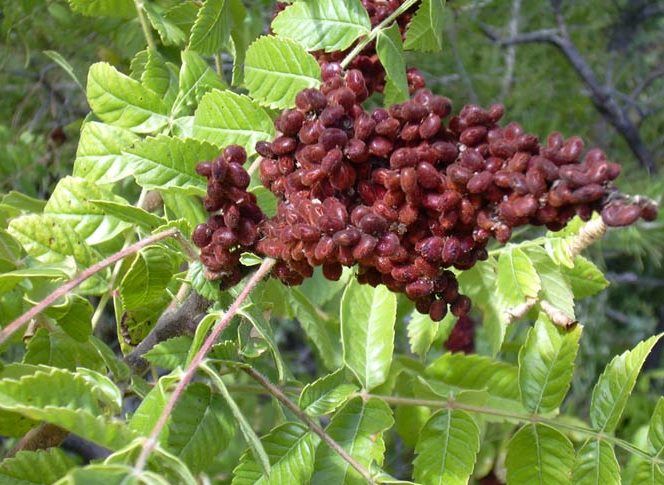
Sumac is a spice which comes from the berries of a wild bushy shrub that thrives in poor soils and grows wild in all Mediterranean areas and parts of the Middle East.  The highest quality sumac berries come from higher altitude areas.  Sumac is any one of approximately 250 species of flowering plants in the genus Rhus.


The fruits of the genus Rhus are ground into a deep-red or purple powder used as a spice in Middle Eastern cuisine to add a lemony taste to dishes.


So I decided to experiment by combining the sweet earthy flavour of swede with the tangy citrus flavour of sumac and the result was delicious.  Here is the recipe – enjoy!

Swede and Sumac Soup
(serves 2-3)


Ingredients

1 tablespoon olive oil
2 medium onions (diced)
1 small pinch salt
½ swede (cubed)
2/3 teaspoon sumac
1 dessert spoon white (shiro) miso (diluted in a little water)

Method
  1. Put olive oil in a pan, add onions and pinch of salt.  Sauté gently on a low flame until the onions are soft and translucent
  2. Add the swede and water to cover half of the vegetables’ volume.  Simmer on a low heat for about 20 minutes or until the swede is soft.
  3. Add the sumac spice and the white miso.  Blend until smooth.  Taste and add more water and seasonings if necessary to obtain the desired consistency and flavour.
  4. Serve with a garnish of fresh chopped herbs or a sprinkling of sumac powder 


If you have enjoyed this post and would like to keep in touch please sign up for my free email newsletter.  

You can also follow me on FacebookTwitter and LinkedIn and visit my website.


Saturday, November 24, 2012

Oat, blueberry, raisin and cashew nut milk breakfast


One of my nutritional heroes is John McDougall.  John is a medical doctor in the US who believes passionately in the power of plant-based diets, not only to prevent but to treat all manner of chronic diseases.

He has been studying, writing and challenging the accepted wisdom on the effects of nutrition on disease and health for over 30 years.  Together with his wife, Mary, he runs ten-day residential programmes in California designed to help people transform their health and well-being by changing their diet and lifestyle.  Many people report recovery from supposedly incurable conditions as a result of following this programme.

Recently I was looking through one of my McDougall cookbooks and noticed a recipe for cashew nut milk. So I decided to use this to make a warming and delicious oat porridge with blueberries and raisins for my breakfast.

Oats have many health benefits (1).  They provide one of the richest sources of the dietary soluble fibre beta-glucan.  They also contain more lipids (5-9%) than other cereal crops and are rich in unsaturated fats, including the essential fatty acid linoleic acid.  Oats also contain unique antioxidants, called avenanthramides, as well as the vitamin E-like compounds, tocotrienols and tocopherols.

The ability of oats to lower total and LDL cholesterol is well-documented, however, they provide cardiovascular benefits that go way beyond their cholesterol-reducing properties.  Accumulating evidence from epidemiological, clinical, and animal studies suggests that fibre sources, including oats, can significantly aid in reducing blood pressure and/or prevent the onset of hypertension.  Katz et al reported that a single serving of oatmeal could oppose the disturbances in endothelial function observed after the consumption of a high fat meal; this may reduce the likelihood of arterial damage and heart disease (2).

Soluble fibre from oats, when incorporated into a low-glycaemic diet, can help to regulate blood glucose and insulin response after eating.  More than 12 published studies report that oats, consumed as oat bran, oatmeal, or isolated beta-glucans, reduce both fasting and postprandial blood glucose and insulin levels (1).

It seems that news of the health benefits of oats is spreading as Quaker have reported a dramatic increase in sales since 2009.

So here is the recipe I followed.  Enjoy!

Ingredients

  • 1 cup whole oat groats
  • 6 cups water
  • 50g (2oz) cashew nut pieces
  • 350ml (1.5 cups, 12 fl oz) water
  • 1/2 cup blueberries
  • 1 dessert spoon raisins

Method

  • Place whole oat groats in a pan with 6 cups water, bring to a boil, turn down the flame as low as it will go and simmer with the lid on for 2 hours until the oats are soft, white and glutinous.  You can do this the night before, cool the cooked oats and store in the fridge.  You can also use ordinary instant porridge oats; use about 30g (4-5 dessert spoons) per person.
  • Place the cashew nuts with 350ml water in a blender and process until the liquid appears milky and smooth.  Add the blueberries and raisins and blend.
  • If using the cooked oat groats, take about one-third of the amount you have prepared or the quantity you want, add 1 cup of the cashew, blueberry and raisin blend and cook for a few minutes until hot.  Serve with some whole fresh blueberries.  If you are using the instant porridge oats, add the cashew, blueberry and raisin blend in a ratio of 1 part oats to 2 parts liquid and simmer until the oats thicken.  Serve with some fresh blueberries. 


If you have enjoyed this post and would like to keep in touch please sign up for my free email newsletter.  

You can also follow me on Facebook, Twitter, Pinterest and LinkedIn and visit my website.


References

(1) http://roscomoss.com/pdf/HealthBenefitsofOats.pdf
(2) http://www.jacn.org/content/23/5/397.full.pdf