Showing posts with label Cooking for Health. Show all posts

Saturday, August 9, 2014

Warm lemon, courgette (zucchini) and basil salad


Courgettes (zucchini) are a type of summer squash. They contain 95 per cent water, so are very hydrating in hot weather. They also contain fair amounts of potassium, vitamin C and carotenoids.

In laboratory tests, the juices from summer squash have been shown to prevent cell mutations and may thus help to protect against cancer.

Lemons are an excellent source of vitamin C. They're also a good source of vitamin B6, potassium, folic acid, flavonoids and the important phytochemical limonene. Limonene is being investigated in clinical trials for dissolving gallstones and for promising anti-cancer activity.

The combination of courgettes (zucchini) and lemon in this simple recipe is very delicious and refreshing, as well as containing numerous nutrients to strengthen your body and protect you from disease.


Ingredients


2 courgettes (zucchini)
Juice and zest of 1 lemon
1 tbsp olive oil
1 pinch sea salt
1 garlic clove, crushed
Small handful of fresh basil, washed and roughly torn
1 tsp za’atar (optional) 

Za’atar is a Middle Eastern spice you can buy ready-made in international shops. Alternatively, you can make your own (2 tbsp dried thyme, 1 tbsp dried marjoram, 2 tbsp lightly toasted sesame seeds, 1 tbsp sumac, ½ tsp sea salt – mix and partially grind in a pestle and mortar and store in a jar).


Za'atar


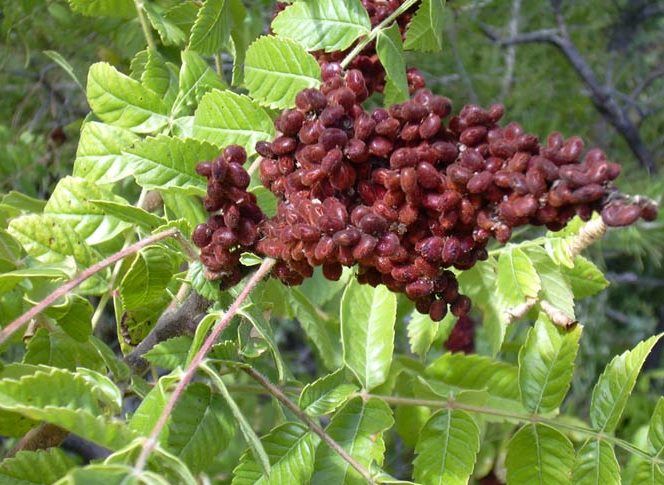
Sumac is also a Middle Eastern spice with a citrus flavour. It's rich in vitamin C, iron and calcium and is reported to have anti-oxidant, anti-inflammatory and anti-microbial activity.


Sumac

Method


Use a wide vegetable peeler to slice the courgettes (zucchini) into thin ribbons, discarding the central, seedy part (I use this to make vegetable stock). 

Vegetable peeler


Put courgette (zucchini) ribbons in a bowl and mix with lemon juice.

Heat oil in a frying pan, add salt, lemon zest and garlic and sauté over a gentle heat for 1 minute. Add courgette (zucchini) ribbons and cook, gently turning, for a further 1-2 minutes until the courgettes (zucchini) are slightly softened. Toss the basil through, sprinkle some za’atar over it (optional) and serve.

Nutritional information


If you've enjoyed this post and would like to keep in touch please sign up for my free email newsletter.

You can also visit my website and follow me on FacebookTwitterPinterest and LinkedIn.


Saturday, April 27, 2013

Pomegranate, lime and cucumber salsa

I found this recipe in a beautiful book called "Veggiestan" by Sally Butcher and it is such a hit with my family I decided to share it.


My husband, Paul Philpott, spent many years travelling in the 'stans whilst working for overseas and development agencies.  He is chronicling his adventures on his own blog - Impulse to Travel.  I was lucky enough to join him on some of his journeys and fell in love with the fresh produce and the food of this region.  As a herbivore myself, however, I must confess that I studiously avoided the boiled mutton and sheep's eyes for breakfast.

Pomegranates in the market in Osh, Kyrgyzstan (copyright: Paul Philpott)

Pomegranates have been cherished for their exquisite beauty, flavour, colour, and health benefits for centuries.


“Thy lips are like a thread of scarlet, and thy speech comely: thy temples are like a piece of pomegranate within thy locks.” (The Song of Solomon 4:3)


The name "pomegranate" derives from the Middle French "pomme garnete" - literally "seeded apple." It is also sometimes referred to as a Chinese apple. Many scholars believe that the forbidden - yet irresistible - fruit in which Eve indulged within the Garden of Eden was actually a pomegranate and not an apple.

Pomegranates are high in vitamin C and potassium, a great source of fibre, and low in calories. They contain three different types of polyphenols, a potent form of antioxidants. The three types - tannins, anthocyanins, and ellagic acid - are present in many fruits, but fresh pomegranate juice contains particularly high amounts of all three.

Compounds found only in pomegranates called punicalagins are shown to benefit the heart and blood vessels. Punicalagins are the major component responsible for pomegranate's antioxidant and health benefits. They not only lower cholesterol, but also lower blood pressure and increase the speed at which heart blockages (atherosclerosis) melt away.

Not only are pomegranates good for your heart and blood vessels but they have been shown to inhibit breast cancer, prostate cancer, colon cancer, leukemia and to prevent vascular changes that promote tumour growth in lab animals.

Pomegranate juice has also been found to contain substances that stimulate serotonin and oestrogen receptors, improving symptoms of depression and increasing bone mass in lab animals.

This recipe is a real winner.  It is quick and easy to make and can be used as a salad, starter or relish.  One word of warning - it is a good idea to wear an apron.


Recipe

Serves 6


Ingredients
Method


1 large juicy pomegranate

Cut the pomegranate in half with a sharp knife; hold each half upside down over a bowl and hit the back of the pomegranate with a wooden spoon until the seeds come out. Wash seeds in water and remove any remaining pith, which should float to the surface.


1 medium cucumber, finely diced

2-3 tomatoes, finely diced

1 green pepper, finely diced

1 red chilli, chopped (you can choose a mild or a hot one to taste)

½ bunch each of fresh mint and coriander, washed and chopped

1 small bunch spring onions, finely diced

Drizzle of olive oil

1 fresh lime, juiced


Mix all these ingredients together with the pomegranate seeds, stir well, cover and chill.

Serve as a salad, a starter or a relish.


If you have enjoyed this post and would like to keep in touch please sign up for my free email newsletter.  

You can also follow me on FacebookTwitter, Pinterest and LinkedIn and visit my website.


References


1. Aviram M, Rosenblat M, Gaitini D, et al. Pomegranate juice consumption for 3 years by patients with carotid artery stenosis reduces common carotid intima-media thickness, blood pressure and LDL oxidation. Clin Nutr 2004;23(3):423-33.

2. Aviram M, Dornfeld L, Rosenblat M, et al. Pomegranate juice consumption reduces oxidative stress, atherogenic modifications to LDL, and platelet aggregation:studies in humans and in atherosclerotic apolipoprotein E-deficient mice. Am J Clin Nutr 2000;71(5):1062-76. Aviram M, Dornfeld L. Pomeganate juice consumption inhibits serum angiotensin coverting enzyme activity and reduces systolic blood pressure. Atherosclerosis 2001;158(1):195-8.

3. Kim ND, Mehta R, Yu W, et al. Chemopreventive and adjuvant therapeutic potential of pomegranate (Punica granatum) for human breast cancer. Breast Cancer Res Treat 2002;71(3):203-17. Kohno H, Suzuki R, Yasui Y, et al. Pomegranate seed oil rich in conjugated linolenic acid suppresses chemically induced colon carcinogenesis in rats.Cancer Sci 2004;95(6):481-6.

Toi M, Bando H, Ramachandran C, et al. Preliminary studies on the anti-angiogenic potential of pomegranate fractions in vitro and in vivo. Angiogenesis 2003;6(2):121-8.
Kawaii S, Lansky EP. Differentiation-promoting activity of pomegranate (Punica granatum) fruit extracts in HL-60 human promyelocytic leukemia cells. J Med Food 2004;7(1):13-8.

4. Mori-Okamoto J, Otawara-Hamamoto Y, Yamato H, Yoshimura H. Pomegranate extract improves a depressive state and bone properties in menopausal syndrome model ovariectomized mice. J Ethnopharmacol 2004;92(1):93-101.

5. Seeram et al, J Nutr Biochemistry 2005: (16) 360-367.


Wednesday, February 20, 2013

Blueberry, raspberry, banana and cashew smoothie

Boosting your intake of antioxidants will help you in numerous ways, from reducing wrinkles to preventing dementia.

Imagine your body's metabolism is a fire.  The fuel for this fire is the food you eat and it is 'burned' to produce energy to power your daily activities.  In addition to producing beneficial heat and light, a fire also produces smoke as a by-product, which is harmful.  In an analogous way, when the body uses food to create energy, it also produces harmful by-products, which are called free radicals.  Free radicals are extremely reactive atoms or molecules which need to bond with other atoms or molecules to make themselves more stable.  These free radicals cause damage to cell membranes and to DNA, which leads to aging and a host of diseases such as arthritis, diabetes, heart disease, dementia and cancer.  Free radicals can also interfere with your immune system.  The good news is that nature has provided us with antidotes to these free radicals - these are called antioxidants.  Certain vitamins, minerals and other phytonutrients act as antioxidants, protecting and repairing cells from damage caused by free radicals.  Regular consumption of a wide range of antioxidants therefore protects your body from disease and aging and supports your immune system, helping you to fight off colds, flu and other infections.  It is much better to consume antioxidants in their natural form in food than it is to take antioxidant supplements, which may even be harmful.  Scientists can measure how powerful a substance is as an antioxidant, or its oxygen radical absorbance capacity (ORAC), using a simple laboratory test.

Here is a simple smoothie recipe that is bursting with antioxidant goodness.

Ingredients

1/2 cup (60g, 2oz) cashew nut pieces
1 cup water
75g (3oz) blueberries
75g (3oz) raspberries
1 banana (peeled and chopped)

Instructions

  1. Place the cashew nut pieces in a container with 1 cup of water and blend until it becomes a smooth, milky liquid
  2. Add the cashew nut 'milk' to the blueberries, raspberries and bananas in a jug and blend until smooth
  3. Serve in glasses for breakfast or as a mid-morning snack.  This quantity makes approximately 1 pint or 0.5 litres of smoothie, which is enough for two servings.
Blueberries
Blueberries are an excellent source of flavonoids, especially anthocyanidins, which are responsible for the blue, purple and red pigments.  Anthocyanidins are exceptional antioxidants and have one of the highest ORAC values of all fruits and vegetables.  Blueberries are also a very good source of vitamin C, insoluble fibre and soluble fibre such as pectin.  They also contain manganese, vitamin E and vitamin B2.

Raspberries
Raspberries are an excellent source of fibre, manganese, vitamin C, flavonoids and ellagic acid.  They are a very good source of vitamin B2 as well as other B vitamins such as folic acid, B3, B5 and B6.  Like blueberries, raspberries contain anthocyanidins, which act as powerful antioxidants.

Bananas
Bananas are packed with nutrients, especially potassium.  Potassium is one of the most important electrolytes in the body, helping to regulate heart function as well as fluid balance.  Bananas are very soothing to the digestive tract due to their high content of pectin, a soluble fibre that lowers cholesterol and normalises bowel function.

Cashews
Cashews are a very good source of monounsaturated fats (derived from oleic acid) as well as many minerals, including copper, magnesium, potassium, iron and zinc.  They are also a good source of biotin and protein.

If you have enjoyed this post you can stay in touch by signing up for my newsletter .

You can also join me on Facebook and Twitter.

Tuesday, February 19, 2013

Beetroot, carrot, apple and ginger juice


Here is a strengthening juice to tickle your tastebuds and ward off colds, tummy bugs and hangovers.

It is rich in nutrients and phytonutrients, with antioxidant, anti-inflammatory, anti-hypertensive and anti-bacterial properties.

Ingredients
1 fresh beet, with root and greens
2 carrots
1 apple
1 piece fresh root ginger (2-4 cm)

Instructions
Process all ingredients in a vegetable juicer and drink.  Super easy.


Health benefits

Beets
Beet greens are even higher in nutritional value than beetroots, as they are richer in calcium, iron, and vitamins A and C.  Beetroots are an excellent source of folic acid and a very good source of fibre, manganese and potassium.  Both beet greens and roots are a good source of magnesium, phosphorus, iron and vitamin B6.

Beetroots have long been used for medicinal purposes, particularly as they are known to stimulate the liver's detoxification processes.  The pigment that  gives beets their deep purple colour is called betacyanin and is a powerful anti-cancer agent.

Beetroot may also protect against heart disease as it has been shown to dilate blood vessels and lower diastolic blood pressure.

Carrots
Carrots provide the highest source of vitamin A carotenes of commonly consumed vegetables.  Two carrots provide roughly four times the daily reference nutrient intake of vitamin A.  Carrots also provide excellent levels of vitamin K, biotin and fibre and very good levels of vitamins C, B1 and B6, and potassium.  The antioxidant content of carrots helps to protect against chronic diseases like heart disease and cancer.  Carrots also promote good vision and along with other fruit and vegetables help to protect against macular degeneration.

Apples
Apples are a good source of vitamin C, pectin and other fibres, and potassium.  Most of the apple's important nutrients are contained in its skin.  If apples are raw and unpeeled, they are also a great source of many phytonutrients, such as ellagic acid and flavonoids such as quercetin.  The old saying "an apple a day keeps the doctor away" has a great deal of truth in it.  In a review of various studies, apple consumption was shown consistently to be associated with a reduced risk of heart disease, cancer, asthma and type 2 diabetes, compared with other fruits and vegetables.


Root ginger
Ginger contains small quantities of vitamins such as B6 and B5, as well as minerals such as potassium, manganese, copper, and magnesium.  It has been used since ancient times for its anti-inflammatory, antioxidant, carminative, anti-flatulent, and anti-microbial properties. The root contains essential oils such as gingerol, zingerone, shogaol, farnesene, and small amounts of β-phelladrene, cineol, and citral.   Gingerols help improve intestinal motility and have anti-inflammatory, painkiller (analgesic), nerve soothing, anti-pyretic as well as anti-bacterial properties. Studies have shown that ginger may reduce nausea induced by chemotherapy, motion sickness or pregnancy and may help relieve migraine headache.  Zingerone, a chemical compound which gives pungent character to the ginger root, is effective against E.coli induced diarrhoea, especially in children.

You can find more free articles and resources on my website and receive further information and news by signing up for my free newsletter.

You can also find me on Facebook, Twitter, Pinterest and LinkedIn.


Celery, cucumber, apple, parsley and lime juice

Green juices are a great way to include a wider variety of vegetables in your diet, are packed with nutrients and easy to digest.

Where possible try to use organic produce.

Wash all produce thoroughly.

If you don't have an expensive juicer, don't worry - a cheaper one will be fine.

For advice on different types of juicers and their pros and cons please check out Jason Vale - the Juice Master.

Here is a delicious recipe for a refreshing, cooling green juice, ideal for a warm day.

Ingredients
1 stick celery
1 piece cucumber (approx 10cm)
1 apple
2 sprigs parsley
1/2 fresh lime

Instructions
Put celery, cucumber, apple and parsley in a juicer and process.  Add juice of 1/2 lime at the end.

That's it.  Easy peasy and so good for you.  Do you know why?  What will you give your body by drinking this delicious juice?  Here are some of the magic ingredients in the ingredients:

Celery
Celery is an excellent source of vitamin C and fibre, as well as potassium, folic acid and vitamins B6 and B1. It is also a good source of calcium and vitamin B2.  Whilst celery does contain more sodium than many other vegetables, this is offset by very high levels of potassium.  Celery contains substances called coumarins which have anti-cancer properties.  A few animal studies suggest that celery seed extracts may help lower blood pressure and cholesterol, as well as protect the liver from damaging substances such as the pain reliever acetaminophen (Tylenol). But researchers don' t know whether these effects also occur in humans.

Cucumber
In addition to containing a large amount of water which keeps you well-hydrated, cucumbers are also a good source of vitamins C, A and folic acid.  The skin is rich in fibre and contains a variety of important minerals including silica, potassium, magnesium and molybdenum.  Silica contributes to the strength of our connective tissue and is important for bone health.

Apple
Apples are a good source of vitamin C, pectin and other fibres, and potassium.  Most of the apple's important nutrients are contained in its skin.  If apples are raw and unpeeled, they are also a great source of many phytonutrients, such as ellagic acid and flavonoids such as quercetin.  The old saying "an apple a day keeps the doctor away" has a great deal of truth in it.  In a review of various studies, apple consumption was shown consistently to be associated with a reduced risk of heart disease, cancer, asthma and type 2 diabetes, compared with other fruits and vegetables.

Parsley
Parsley is extremely rich in a large number of nutrients, chorophyll and carotenes.  It is a good source of vitamin C, vitamin K, folic acid and iron and also contains many minerals including magnesium, calcium and zinc.  Numerous health benefits have been ascribed to parsley, including use for urinary tract infections, kidney stones, constipation, flatulence, fluid retention, high blood pressure and prostate conditions, though clinical evidence for these effects is limited.  There is some evidence that parsley extracts have anti-oxidant activity.

Lime
Limes are an excellent source of vitamin C and provide good levels of vitamin B6, potassium, folic acid, flavonoids and the important phytochemical limonene.  Limes contain several phytonutrients that have anti-oxidant and anti-cancer properties.  In particular, research has demonstrated that lime juice can affect cell cycles: it can modulate the decision a cell takes to divide (mitosis) or die (apoptosis) or even influence activity of the immune system.  Lime also has an antibiotic effect and has been shown to protect against cholera.

If you have enjoyed this post you can sign up for my free email updates, with news, information, recipes and tips.

You can also join me on Facebook, Twitter and LinkedIn.


Monday, December 3, 2012

Swede and sumac soup

Swede and sumac soup

Recently, I bought a swede at a farmer’s market and was musing about what I could make with it.

The swede is a member of the cabbage family; it is often confused with the turnip, though they look quite different. It's also known as yellow turnip, Swedish turnip and Russian turnip and, in America, rutabaga.

Swede has a round shape and a purple-green skin, and the flesh is yellowy-orange, with a sweet, earthy flavour.


I had never made soup from swede and wondered what I could add to lift and balance the earthy flavour.

Searching in my spice cupboard, I found a jar of sumac.

Sumac is a spice which comes from the berries of a wild bushy shrub that thrives in poor soils and grows wild in all Mediterranean areas and parts of the Middle East.  The highest quality sumac berries come from higher altitude areas.  Sumac is any one of approximately 250 species of flowering plants in the genus Rhus.


The fruits of the genus Rhus are ground into a deep-red or purple powder used as a spice in Middle Eastern cuisine to add a lemony taste to dishes.


So I decided to experiment by combining the sweet earthy flavour of swede with the tangy citrus flavour of sumac and the result was delicious.  Here is the recipe – enjoy!

Swede and Sumac Soup
(serves 2-3)


Ingredients

1 tablespoon olive oil
2 medium onions (diced)
1 small pinch salt
½ swede (cubed)
2/3 teaspoon sumac
1 dessert spoon white (shiro) miso (diluted in a little water)

Method
  1. Put olive oil in a pan, add onions and pinch of salt.  Sauté gently on a low flame until the onions are soft and translucent
  2. Add the swede and water to cover half of the vegetables’ volume.  Simmer on a low heat for about 20 minutes or until the swede is soft.
  3. Add the sumac spice and the white miso.  Blend until smooth.  Taste and add more water and seasonings if necessary to obtain the desired consistency and flavour.
  4. Serve with a garnish of fresh chopped herbs or a sprinkling of sumac powder 


If you have enjoyed this post and would like to keep in touch please sign up for my free email newsletter.  

You can also follow me on FacebookTwitter and LinkedIn and visit my website.


Saturday, November 24, 2012

Oat, blueberry, raisin and cashew nut milk breakfast


One of my nutritional heroes is John McDougall.  John is a medical doctor in the US who believes passionately in the power of plant-based diets, not only to prevent but to treat all manner of chronic diseases.

He has been studying, writing and challenging the accepted wisdom on the effects of nutrition on disease and health for over 30 years.  Together with his wife, Mary, he runs ten-day residential programmes in California designed to help people transform their health and well-being by changing their diet and lifestyle.  Many people report recovery from supposedly incurable conditions as a result of following this programme.

Recently I was looking through one of my McDougall cookbooks and noticed a recipe for cashew nut milk. So I decided to use this to make a warming and delicious oat porridge with blueberries and raisins for my breakfast.

Oats have many health benefits (1).  They provide one of the richest sources of the dietary soluble fibre beta-glucan.  They also contain more lipids (5-9%) than other cereal crops and are rich in unsaturated fats, including the essential fatty acid linoleic acid.  Oats also contain unique antioxidants, called avenanthramides, as well as the vitamin E-like compounds, tocotrienols and tocopherols.

The ability of oats to lower total and LDL cholesterol is well-documented, however, they provide cardiovascular benefits that go way beyond their cholesterol-reducing properties.  Accumulating evidence from epidemiological, clinical, and animal studies suggests that fibre sources, including oats, can significantly aid in reducing blood pressure and/or prevent the onset of hypertension.  Katz et al reported that a single serving of oatmeal could oppose the disturbances in endothelial function observed after the consumption of a high fat meal; this may reduce the likelihood of arterial damage and heart disease (2).

Soluble fibre from oats, when incorporated into a low-glycaemic diet, can help to regulate blood glucose and insulin response after eating.  More than 12 published studies report that oats, consumed as oat bran, oatmeal, or isolated beta-glucans, reduce both fasting and postprandial blood glucose and insulin levels (1).

It seems that news of the health benefits of oats is spreading as Quaker have reported a dramatic increase in sales since 2009.

So here is the recipe I followed.  Enjoy!

Ingredients

  • 1 cup whole oat groats
  • 6 cups water
  • 50g (2oz) cashew nut pieces
  • 350ml (1.5 cups, 12 fl oz) water
  • 1/2 cup blueberries
  • 1 dessert spoon raisins

Method

  • Place whole oat groats in a pan with 6 cups water, bring to a boil, turn down the flame as low as it will go and simmer with the lid on for 2 hours until the oats are soft, white and glutinous.  You can do this the night before, cool the cooked oats and store in the fridge.  You can also use ordinary instant porridge oats; use about 30g (4-5 dessert spoons) per person.
  • Place the cashew nuts with 350ml water in a blender and process until the liquid appears milky and smooth.  Add the blueberries and raisins and blend.
  • If using the cooked oat groats, take about one-third of the amount you have prepared or the quantity you want, add 1 cup of the cashew, blueberry and raisin blend and cook for a few minutes until hot.  Serve with some whole fresh blueberries.  If you are using the instant porridge oats, add the cashew, blueberry and raisin blend in a ratio of 1 part oats to 2 parts liquid and simmer until the oats thicken.  Serve with some fresh blueberries. 


If you have enjoyed this post and would like to keep in touch please sign up for my free email newsletter.  

You can also follow me on Facebook, Twitter, Pinterest and LinkedIn and visit my website.


References

(1) http://roscomoss.com/pdf/HealthBenefitsofOats.pdf
(2) http://www.jacn.org/content/23/5/397.full.pdf

Sunday, November 18, 2012

Winter squash and ginger soup


Winter squash is a superb 'comfort food' for this time of year.

In Chinese medicine it is considered a warming food that is medicinal to the spleen-pancreas and stomach.

Winter squash is exceptionally high in complex carbohydrates and is considered beneficial for those with digestive problems.

It is a good source of vitamins A, C, and E and the minerals potassium, iron and magnesium.

Winter squash is also a rich source of carotenoids, including lutein, zeaxanthin and beta-cryptoxanthin, which are powerful antioxidants known to protect the body from cancer and other conditions such as macular degeneration.

Here is a recipe for winter squash and ginger soup, which is relaxing, warming and comforting, as well as providing your body with powerful protective nutrients.

Serves 4

Ingredients
  • 1 large onion (diced)
  • 1 small squash, e.g., onion squash or harlequin squash (cut in cubes)
  • 1-2 tbsp olive oil
  • 1 small pinch sea salt
  • Root ginger (2cm piece finely chopped)
  • 1 dessert spoon white (shiro) miso (diluted in a little water)
Method
  • Heat a cooking pot, add 1-2 tbsp oil, the onion and a small pinch of sea salt and sauté the onions gently on a very low heat until they are soft and translucent
  • Add the squash cubes, ginger and water to cover half of the vegetables’ volume.  Bring to a boil and simmer for at least 20 minutes or until the squash is soft.
  • Blend to a smooth texture.  Adjust to the desired consistency by adding more water if necessary.  Season to taste with white (shiro) miso.
  • Serve hot and garnish with fresh parsley.


If you have enjoyed this post and would like to keep in touch please sign up for my free email newsletter.  

You can also follow me on FacebookTwitter, Pinterest and LinkedIn and visit my website.


Sunday, August 12, 2012

Tuesday, July 31, 2012

Quinoa, chickpea (garbanzo), avocado and olive salad


Quinoa (pronounced KEEN-wah) is gaining popularity in European cuisine.  It is no longer confined to the shelves of health food stores and can also be found in most mainstream supermarkets.  The United Nations has declared 2013 the International Year of Quinoa to highlight the virtues of this "golden grain of the Incas".

Quinoa is the seed of a broad leaf plant of Andean origin which is botanically related to the common broad leaf weed fat hen (UK) or lamb's quarters (US), and is often used like a grain.  It has a mild nutty flavour and is easy to cook.

Quinoa is as versatile as rice but it has a protein content that is superior to that of most grains, because it contains all the essential amino acids.  In particular, quinoa is high in lysine, an amino acid important for tissue growth and repair.  It is also a good source of manganese, magnesium and phosphorus.

Not only this, but the crop has a remarkable adaptability to different agro-ecological regions. It can grow at relative humidity from 40% to 88%, and withstands temperatures from -4 ° C to 38 ° C. It is a highly water efficient plant, is tolerant and resistant to lack of soil moisture, and produces acceptable yields with rainfall of 100 to 200 mm (FAO).  Whilst Peru, Bolivia and the USA are the main producers, it is currently being successfully cultivated in several countries in Europe and Asia.

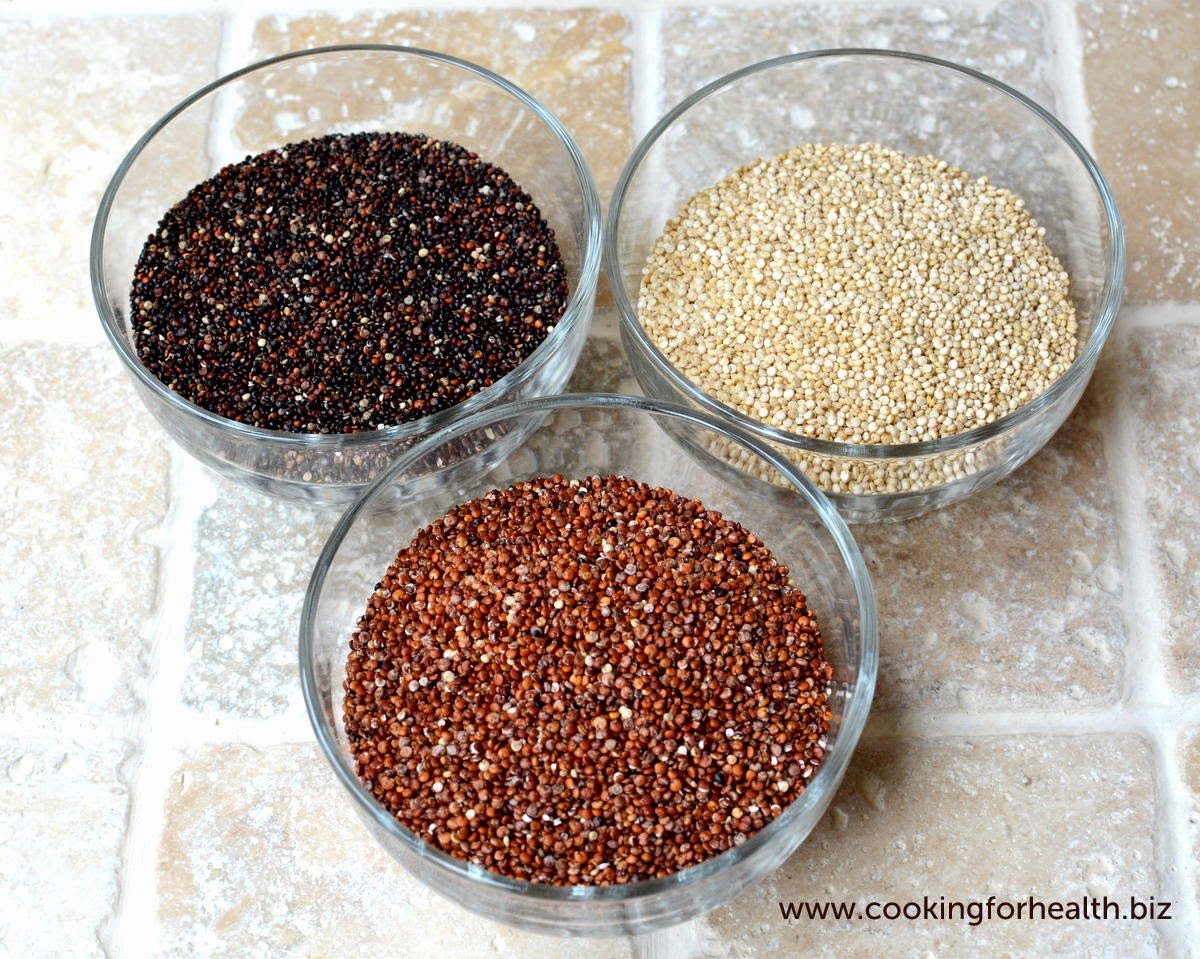
There are more than three thousand varieties of quinoa, grouped into five main classes according to the altitude at which they can grow,  The different varieties produce seed of different colours.

Varieties of quinoa (www.fao.org)

Cooking quinoa

One of the beauties of quinoa is that it only takes 15 minutes to cook, so you can use it to prepare a nutritious meal in a hurry.

Measure 1 cup quinoa, wash it, drain it and place it in a pot with 1 1/2 cups water.  Put on the lid and cook on a medium flame until it boils, then reduce to a minimum flame and simmer for 15 minutes or until all the water has gone.  Do not remove the lid during cooking.  It is easy to tell when it is done because the seeds display a little white thread that curls around them.


When the quinoa has cooked, you can then mix in your choice of salad ingredients.  

Recipe


  • 1 cup red quinoa (rinsed in cold water)
  • 1.5 cups hot water
  • I can chickpeas (garbanzo beans), marinated in dressing (see ingredients below)
  • 1 avocado (peeled, chopped and sprinkled with fresh lime juice to prevent browning) 
  • 12 olives (green, black or mixed)
  • 1/2 red bell pepper (washed, de-seeded and chopped)
  • 1/2 yellow bell pepper (washed de-seeded and chopped)
  • 1 handful fresh basil (washed and finely chopped)
  • Fresh basil to garnish

Dressing

Juice of 1 lime
1 clove garlic - pressed
1 teaspoon fresh ginger juice (grate 1 cm piece root ginger and squeeze juice out. For more details please click here)
1 tsp soy sauce
1/4 tsp sesame oil

1. Combine ingredients for dressing and marinade chickpeas in it while quinoa is cooking
2. Add water to quinoa in a thick-based pan. Cover and bring to boil. Turn heat down low and simmer for 15 minutes until quinoa is cooked and water has evaporated.
3. When quinoa has cooled, mix in all other ingredients and garnish with fresh basil.


Serve as a one-dish meal for lunch or as a side dish as part of dinner.


Other ideas for salad ingredients include cherry tomatoes; carrots; spring onions (scallions); other fresh herbs like parsley, coriander (cilantro), lemon balm, oregano, marjoram; cashew nuts; and beans.  


If you have enjoyed this post and would like recipes, videos and interesting information delivered directly to your inbox, please click here


Sunday, September 6, 2009

When is the ideal time to eat?


Breakfast like a king, lunch like a prince and dinner like a pauper” says the old proverb.

In reality, many people leading busy lives do exactly the opposite. But when is the ideal time to eat?

In ancient times, the Chinese observed that the body’s organs have peak activity at different times of the day and night. They also suggested that an organ’s minimum activity is 12 hours away from its peak activity.

For example, the peak activity of the stomach is from 7 am to 9 am, and its minimum activity from 7 pm to 9 pm.

According to ancient wisdom, the further away from peak liver activity the meal is taken, the more completely the liver can perform its myriad functions.

If the last meal is eaten at 6 pm, seven hours are available for the food to go through preliminary digestive processes.

Since grains and legumes stay in the stomach for up to three hours, that only leaves three hours for assimilation in the small intestine; the products of assimilation must then be processed by the liver.


Thus, many Far Eastern spiritual practitioners eat one meal a day before noon. In this way, there will be at least 12 hours before the liver has its greatest activity.

One meal per day

Serious Zen monks maintain a single meal per day dietary practice.

They are sufficiently energized by this and their other practices, that their only ‘sleep’ is from midnight until 3 am, during which time they sit in meditation.

Three am is the beginning of the lungs’ two-hour cycle and they consider this to be the ideal time to arise and do breathing exercises.

Many yogis and meditators will naturally rise between 3 am and 5 am, a time when qi and breath vitality is heightened.


Because the body is not burdened by digestion, the eight hour period between 3 am and the single meal at 11 am can be a time of profound spiritual experience.

For most of us, such a lifestyle is not a practical proposition.

Unless the individual is highly disciplined there is a temptation to eat three meal’s worth of food at one time, which may create more problems than it solves.

The one meal per day dietary plan does, however, illustrate two key ideas.

One that eating late at night can cause the liver and its subtle metabolic processes to work less efficiently; and two, that with less food one generally has more energy, greater clarity and a lower need for sleep.

Two meals per day

A two-meal per day schedule is optimum for people who have adjusted to a grain and vegetable diet.

In the morning, there should be one to two hours between rising and eating so that the body and internal organs can adapt from a resting to an active state.

It is best to wait until hungry before eating. Often, hunger will not occur until several hours into the morning.

According to the biological rhythms described by the Chinese clock, the hours between 7 am and 9 am are the optimal time to eat, as they are the most active time for the stomach, although 9 am to 11 am, when pancreatic activity is emphasized, is also a good time.

This meal must be moist enough to help with morning dehydration, and must have sufficient calories, protein and carbohydrates to support you through the most active part of the day.


The first meal should be larger than the second and should be prepared with more water.

The second meal may be eaten in the mid-afternoon or later, preferably at about 3 or 4 pm and certainly before sunset or 7 pm, whichever comes first.

In ancient China, sunset was seen as heralding more internal metabolic and hormonal processes.

In addition, according to the Chinese clock, at 7 pm the stomach begins its period of weakest activity. As the second meal is moved later in the day to accommodate work, the quantity should become less. When later meals are eaten, it is best to stay up for at least 4 hours afterwards.

Three meals per day

Eating three meals per day is probably the most practical option for the majority of people.

When you have been raised on three meals per day, it is best to stick with this routine unless the body signals it is time for a change. This normally occurs when the pancreas, liver, adrenals and other organs are sufficiently healed to create stability in blood sugar levels.

Three meals per day are necessary for most people’s low blood sugar conditions.

Ideally, the first meal is eaten during the stomach interval between 7 am and 9 am. It is best if this meal is warm and moist.

The second meal, usually at noon or shortly thereafter, can be the largest meal of the day and requires more variety.


The last meal should be the smallest. Ideally it should contain a concentrated protein such as legumes, nuts or seeds. It is eaten at least 4 hours after the second meal and before 7 pm.

Interestingly, scientific evidence published in the journal Obesity, indicates that eating out of synchrony with the body's natural rhythms, may lead to weight gain.


If you have enjoyed this post and would like to keep in touch please sign up for my free email newsletter.  

You can also follow me on FacebookTwitter and LinkedIn and visit my website.


Reference

Healing with Whole Foods. Asian Traditions and Modern Nutrition. Paul Pitchford.