Showing posts with label inspiring nutrition. Show all posts

Wednesday, February 20, 2013

Blueberry, raspberry, banana and cashew smoothie

Boosting your intake of antioxidants will help you in numerous ways, from reducing wrinkles to preventing dementia.

Imagine your body's metabolism is a fire.  The fuel for this fire is the food you eat and it is 'burned' to produce energy to power your daily activities.  In addition to producing beneficial heat and light, a fire also produces smoke as a by-product, which is harmful.  In an analogous way, when the body uses food to create energy, it also produces harmful by-products, which are called free radicals.  Free radicals are extremely reactive atoms or molecules which need to bond with other atoms or molecules to make themselves more stable.  These free radicals cause damage to cell membranes and to DNA, which leads to aging and a host of diseases such as arthritis, diabetes, heart disease, dementia and cancer.  Free radicals can also interfere with your immune system.  The good news is that nature has provided us with antidotes to these free radicals - these are called antioxidants.  Certain vitamins, minerals and other phytonutrients act as antioxidants, protecting and repairing cells from damage caused by free radicals.  Regular consumption of a wide range of antioxidants therefore protects your body from disease and aging and supports your immune system, helping you to fight off colds, flu and other infections.  It is much better to consume antioxidants in their natural form in food than it is to take antioxidant supplements, which may even be harmful.  Scientists can measure how powerful a substance is as an antioxidant, or its oxygen radical absorbance capacity (ORAC), using a simple laboratory test.

Here is a simple smoothie recipe that is bursting with antioxidant goodness.

Ingredients

1/2 cup (60g, 2oz) cashew nut pieces
1 cup water
75g (3oz) blueberries
75g (3oz) raspberries
1 banana (peeled and chopped)

Instructions

  1. Place the cashew nut pieces in a container with 1 cup of water and blend until it becomes a smooth, milky liquid
  2. Add the cashew nut 'milk' to the blueberries, raspberries and bananas in a jug and blend until smooth
  3. Serve in glasses for breakfast or as a mid-morning snack.  This quantity makes approximately 1 pint or 0.5 litres of smoothie, which is enough for two servings.
Blueberries
Blueberries are an excellent source of flavonoids, especially anthocyanidins, which are responsible for the blue, purple and red pigments.  Anthocyanidins are exceptional antioxidants and have one of the highest ORAC values of all fruits and vegetables.  Blueberries are also a very good source of vitamin C, insoluble fibre and soluble fibre such as pectin.  They also contain manganese, vitamin E and vitamin B2.

Raspberries
Raspberries are an excellent source of fibre, manganese, vitamin C, flavonoids and ellagic acid.  They are a very good source of vitamin B2 as well as other B vitamins such as folic acid, B3, B5 and B6.  Like blueberries, raspberries contain anthocyanidins, which act as powerful antioxidants.

Bananas
Bananas are packed with nutrients, especially potassium.  Potassium is one of the most important electrolytes in the body, helping to regulate heart function as well as fluid balance.  Bananas are very soothing to the digestive tract due to their high content of pectin, a soluble fibre that lowers cholesterol and normalises bowel function.

Cashews
Cashews are a very good source of monounsaturated fats (derived from oleic acid) as well as many minerals, including copper, magnesium, potassium, iron and zinc.  They are also a good source of biotin and protein.

If you have enjoyed this post you can stay in touch by signing up for my newsletter .

You can also join me on Facebook and Twitter.

Tuesday, February 19, 2013

Beetroot, carrot, apple and ginger juice


Here is a strengthening juice to tickle your tastebuds and ward off colds, tummy bugs and hangovers.

It is rich in nutrients and phytonutrients, with antioxidant, anti-inflammatory, anti-hypertensive and anti-bacterial properties.

Ingredients
1 fresh beet, with root and greens
2 carrots
1 apple
1 piece fresh root ginger (2-4 cm)

Instructions
Process all ingredients in a vegetable juicer and drink.  Super easy.


Health benefits

Beets
Beet greens are even higher in nutritional value than beetroots, as they are richer in calcium, iron, and vitamins A and C.  Beetroots are an excellent source of folic acid and a very good source of fibre, manganese and potassium.  Both beet greens and roots are a good source of magnesium, phosphorus, iron and vitamin B6.

Beetroots have long been used for medicinal purposes, particularly as they are known to stimulate the liver's detoxification processes.  The pigment that  gives beets their deep purple colour is called betacyanin and is a powerful anti-cancer agent.

Beetroot may also protect against heart disease as it has been shown to dilate blood vessels and lower diastolic blood pressure.

Carrots
Carrots provide the highest source of vitamin A carotenes of commonly consumed vegetables.  Two carrots provide roughly four times the daily reference nutrient intake of vitamin A.  Carrots also provide excellent levels of vitamin K, biotin and fibre and very good levels of vitamins C, B1 and B6, and potassium.  The antioxidant content of carrots helps to protect against chronic diseases like heart disease and cancer.  Carrots also promote good vision and along with other fruit and vegetables help to protect against macular degeneration.

Apples
Apples are a good source of vitamin C, pectin and other fibres, and potassium.  Most of the apple's important nutrients are contained in its skin.  If apples are raw and unpeeled, they are also a great source of many phytonutrients, such as ellagic acid and flavonoids such as quercetin.  The old saying "an apple a day keeps the doctor away" has a great deal of truth in it.  In a review of various studies, apple consumption was shown consistently to be associated with a reduced risk of heart disease, cancer, asthma and type 2 diabetes, compared with other fruits and vegetables.


Root ginger
Ginger contains small quantities of vitamins such as B6 and B5, as well as minerals such as potassium, manganese, copper, and magnesium.  It has been used since ancient times for its anti-inflammatory, antioxidant, carminative, anti-flatulent, and anti-microbial properties. The root contains essential oils such as gingerol, zingerone, shogaol, farnesene, and small amounts of β-phelladrene, cineol, and citral.   Gingerols help improve intestinal motility and have anti-inflammatory, painkiller (analgesic), nerve soothing, anti-pyretic as well as anti-bacterial properties. Studies have shown that ginger may reduce nausea induced by chemotherapy, motion sickness or pregnancy and may help relieve migraine headache.  Zingerone, a chemical compound which gives pungent character to the ginger root, is effective against E.coli induced diarrhoea, especially in children.

You can find more free articles and resources on my website and receive further information and news by signing up for my free newsletter.

You can also find me on Facebook, Twitter, Pinterest and LinkedIn.


Celery, cucumber, apple, parsley and lime juice

Green juices are a great way to include a wider variety of vegetables in your diet, are packed with nutrients and easy to digest.

Where possible try to use organic produce.

Wash all produce thoroughly.

If you don't have an expensive juicer, don't worry - a cheaper one will be fine.

For advice on different types of juicers and their pros and cons please check out Jason Vale - the Juice Master.

Here is a delicious recipe for a refreshing, cooling green juice, ideal for a warm day.

Ingredients
1 stick celery
1 piece cucumber (approx 10cm)
1 apple
2 sprigs parsley
1/2 fresh lime

Instructions
Put celery, cucumber, apple and parsley in a juicer and process.  Add juice of 1/2 lime at the end.

That's it.  Easy peasy and so good for you.  Do you know why?  What will you give your body by drinking this delicious juice?  Here are some of the magic ingredients in the ingredients:

Celery
Celery is an excellent source of vitamin C and fibre, as well as potassium, folic acid and vitamins B6 and B1. It is also a good source of calcium and vitamin B2.  Whilst celery does contain more sodium than many other vegetables, this is offset by very high levels of potassium.  Celery contains substances called coumarins which have anti-cancer properties.  A few animal studies suggest that celery seed extracts may help lower blood pressure and cholesterol, as well as protect the liver from damaging substances such as the pain reliever acetaminophen (Tylenol). But researchers don' t know whether these effects also occur in humans.

Cucumber
In addition to containing a large amount of water which keeps you well-hydrated, cucumbers are also a good source of vitamins C, A and folic acid.  The skin is rich in fibre and contains a variety of important minerals including silica, potassium, magnesium and molybdenum.  Silica contributes to the strength of our connective tissue and is important for bone health.

Apple
Apples are a good source of vitamin C, pectin and other fibres, and potassium.  Most of the apple's important nutrients are contained in its skin.  If apples are raw and unpeeled, they are also a great source of many phytonutrients, such as ellagic acid and flavonoids such as quercetin.  The old saying "an apple a day keeps the doctor away" has a great deal of truth in it.  In a review of various studies, apple consumption was shown consistently to be associated with a reduced risk of heart disease, cancer, asthma and type 2 diabetes, compared with other fruits and vegetables.

Parsley
Parsley is extremely rich in a large number of nutrients, chorophyll and carotenes.  It is a good source of vitamin C, vitamin K, folic acid and iron and also contains many minerals including magnesium, calcium and zinc.  Numerous health benefits have been ascribed to parsley, including use for urinary tract infections, kidney stones, constipation, flatulence, fluid retention, high blood pressure and prostate conditions, though clinical evidence for these effects is limited.  There is some evidence that parsley extracts have anti-oxidant activity.

Lime
Limes are an excellent source of vitamin C and provide good levels of vitamin B6, potassium, folic acid, flavonoids and the important phytochemical limonene.  Limes contain several phytonutrients that have anti-oxidant and anti-cancer properties.  In particular, research has demonstrated that lime juice can affect cell cycles: it can modulate the decision a cell takes to divide (mitosis) or die (apoptosis) or even influence activity of the immune system.  Lime also has an antibiotic effect and has been shown to protect against cholera.

If you have enjoyed this post you can sign up for my free email updates, with news, information, recipes and tips.

You can also join me on Facebook, Twitter and LinkedIn.


Monday, December 3, 2012

Swede and sumac soup

Swede and sumac soup

Recently, I bought a swede at a farmer’s market and was musing about what I could make with it.

The swede is a member of the cabbage family; it is often confused with the turnip, though they look quite different. It's also known as yellow turnip, Swedish turnip and Russian turnip and, in America, rutabaga.

Swede has a round shape and a purple-green skin, and the flesh is yellowy-orange, with a sweet, earthy flavour.


I had never made soup from swede and wondered what I could add to lift and balance the earthy flavour.

Searching in my spice cupboard, I found a jar of sumac.

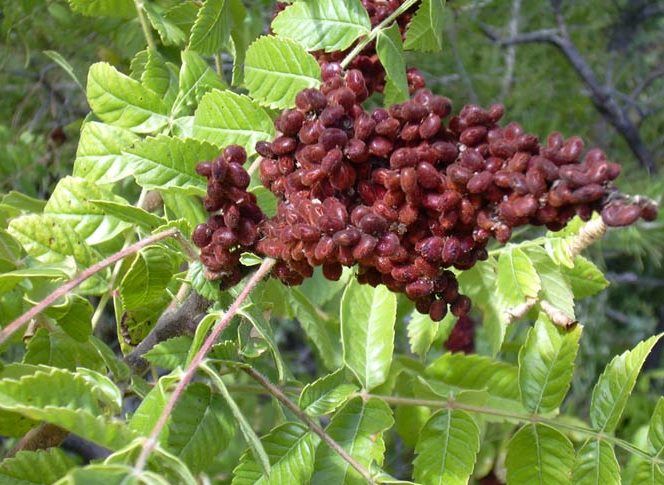
Sumac is a spice which comes from the berries of a wild bushy shrub that thrives in poor soils and grows wild in all Mediterranean areas and parts of the Middle East.  The highest quality sumac berries come from higher altitude areas.  Sumac is any one of approximately 250 species of flowering plants in the genus Rhus.


The fruits of the genus Rhus are ground into a deep-red or purple powder used as a spice in Middle Eastern cuisine to add a lemony taste to dishes.


So I decided to experiment by combining the sweet earthy flavour of swede with the tangy citrus flavour of sumac and the result was delicious.  Here is the recipe – enjoy!

Swede and Sumac Soup
(serves 2-3)


Ingredients

1 tablespoon olive oil
2 medium onions (diced)
1 small pinch salt
½ swede (cubed)
2/3 teaspoon sumac
1 dessert spoon white (shiro) miso (diluted in a little water)

Method
  1. Put olive oil in a pan, add onions and pinch of salt.  Sauté gently on a low flame until the onions are soft and translucent
  2. Add the swede and water to cover half of the vegetables’ volume.  Simmer on a low heat for about 20 minutes or until the swede is soft.
  3. Add the sumac spice and the white miso.  Blend until smooth.  Taste and add more water and seasonings if necessary to obtain the desired consistency and flavour.
  4. Serve with a garnish of fresh chopped herbs or a sprinkling of sumac powder 


If you have enjoyed this post and would like to keep in touch please sign up for my free email newsletter.  

You can also follow me on FacebookTwitter and LinkedIn and visit my website.


Saturday, November 24, 2012

Oat, blueberry, raisin and cashew nut milk breakfast


One of my nutritional heroes is John McDougall.  John is a medical doctor in the US who believes passionately in the power of plant-based diets, not only to prevent but to treat all manner of chronic diseases.

He has been studying, writing and challenging the accepted wisdom on the effects of nutrition on disease and health for over 30 years.  Together with his wife, Mary, he runs ten-day residential programmes in California designed to help people transform their health and well-being by changing their diet and lifestyle.  Many people report recovery from supposedly incurable conditions as a result of following this programme.

Recently I was looking through one of my McDougall cookbooks and noticed a recipe for cashew nut milk. So I decided to use this to make a warming and delicious oat porridge with blueberries and raisins for my breakfast.

Oats have many health benefits (1).  They provide one of the richest sources of the dietary soluble fibre beta-glucan.  They also contain more lipids (5-9%) than other cereal crops and are rich in unsaturated fats, including the essential fatty acid linoleic acid.  Oats also contain unique antioxidants, called avenanthramides, as well as the vitamin E-like compounds, tocotrienols and tocopherols.

The ability of oats to lower total and LDL cholesterol is well-documented, however, they provide cardiovascular benefits that go way beyond their cholesterol-reducing properties.  Accumulating evidence from epidemiological, clinical, and animal studies suggests that fibre sources, including oats, can significantly aid in reducing blood pressure and/or prevent the onset of hypertension.  Katz et al reported that a single serving of oatmeal could oppose the disturbances in endothelial function observed after the consumption of a high fat meal; this may reduce the likelihood of arterial damage and heart disease (2).

Soluble fibre from oats, when incorporated into a low-glycaemic diet, can help to regulate blood glucose and insulin response after eating.  More than 12 published studies report that oats, consumed as oat bran, oatmeal, or isolated beta-glucans, reduce both fasting and postprandial blood glucose and insulin levels (1).

It seems that news of the health benefits of oats is spreading as Quaker have reported a dramatic increase in sales since 2009.

So here is the recipe I followed.  Enjoy!

Ingredients

  • 1 cup whole oat groats
  • 6 cups water
  • 50g (2oz) cashew nut pieces
  • 350ml (1.5 cups, 12 fl oz) water
  • 1/2 cup blueberries
  • 1 dessert spoon raisins

Method

  • Place whole oat groats in a pan with 6 cups water, bring to a boil, turn down the flame as low as it will go and simmer with the lid on for 2 hours until the oats are soft, white and glutinous.  You can do this the night before, cool the cooked oats and store in the fridge.  You can also use ordinary instant porridge oats; use about 30g (4-5 dessert spoons) per person.
  • Place the cashew nuts with 350ml water in a blender and process until the liquid appears milky and smooth.  Add the blueberries and raisins and blend.
  • If using the cooked oat groats, take about one-third of the amount you have prepared or the quantity you want, add 1 cup of the cashew, blueberry and raisin blend and cook for a few minutes until hot.  Serve with some whole fresh blueberries.  If you are using the instant porridge oats, add the cashew, blueberry and raisin blend in a ratio of 1 part oats to 2 parts liquid and simmer until the oats thicken.  Serve with some fresh blueberries. 


If you have enjoyed this post and would like to keep in touch please sign up for my free email newsletter.  

You can also follow me on Facebook, Twitter, Pinterest and LinkedIn and visit my website.


References

(1) http://roscomoss.com/pdf/HealthBenefitsofOats.pdf
(2) http://www.jacn.org/content/23/5/397.full.pdf

Sunday, August 12, 2012