Sunday, March 9, 2014

Pecan pie - free from dairy, gluten, added sugar


Yesterday our friends Judy, Nick and Viki came for lunch, along with their 1 year old West Highland Terrier, Poppy.

Poppy

For dessert, I made this Pecan Pie, which is free from wheat, dairy and added sugar. The sweetness comes from the natural whole ingredients - carrots, dates, pecan nuts, coconut and cinnamon.

It went down so well that Nick asked me for the recipe.

I must stress that this dish is sweet and is thus best served as a treat for special occasions rather than consumed on a regular basis. Although it contains a relatively high level of natural sugars, it also contains many other beneficial nutrients, so is much better for you than, say, cheesecake.

Carrots provide the highest source of provitamin A carotenes of the commonly consumed vegetables. Two carrots provide roughly 4050 retinol equivalents, or four times the recommended daily intake of vitamin A.

Vitamin A is required for:
  • Antioxidant protection from damaging effects of oxidation/free radicals, pollutants 
  • Eye health and vision
  • Strengthening the immune system
  • Growth, repair and formation of body tissues
  • Bone, nerve, teeth formation
  • Fertility, pregnancy and lactation
  • The lining of the digestive tract

Carrots also provide excellent levels of vitamin K, biotin and dietary fibre; and very good levels of vitamins C and B6, potassium and vitamin B1.

Carrots are an excellent source of antioxidant compounds that help protect against cardiovascular disease and cancer.

Carrots also promote good vision, especially night vision. Beta-carotene, which is present in high levels in carrots, provides protection against macular degeneration and the development of senile cataracts.


Dates are among the most alkaline of foods and contain a special type of soluble fibre called beta-D-glucan. Beta-D-glucan fibre has been shown to decrease the body's absorption of cholesterol and to slow or delay absorption of glucose in the small intestine, thus helping to keep blood sugar levels even.

Laboratory studies have shown that dates are also surprisingly rich in antioxidant and anticancer compounds.

Pecan nuts owe much of their flavour to their high fat content, most of which is in the form of heart-healthy mono-unsaturated oleic acid.

Pecans also contain significant amounts of plant sterols, which are known to lower cholesterol levels.

Pecans are an excellent source of vitamin B1; and a good source of vitamins B3, B5, B6 and vitamin E. They are also rich in minerals, particularly manganese, molybdenum, zinc, magnesium, iron, potassium, selenium and calcium.

Coconut contains saturated fat and is an excellent source of manganese, molybdenum and copper.

Proving that delicious can also be healthy, here we go...

Ingredients


Ingredients for Pecan Pie

For the base

  • 1 cup (85g/3oz) desiccated coconut
  • 1 cup (100g/3.5oz) pecan nuts (chopped)
  • 70g/2.5oz dried dates (chopped)
  • 1 tsp ground cinnamon
  • 1-2 tbsp water

For the topping

  • 4 carrots(240g/8.5oz) (peeled and grated)
  • 140g (5oz) dried dates (chopped)
  • 1 tsp ground cinnamon
  • 1 cup (170g/6oz) ground almonds
  • 1/2 to 3/4 cup (150ml/5 fl oz) hot water
  • 20-25 pecan nuts for decoration


Method


1) Put dried ingredients for base in a food processor and blend until they form into a dough-like ball. Add 1-2 tbsp water if necessary to make the mixture stick together.


2) Press base mixture into a pie dish and bake in a pre-heated oven at 170 degrees C (gas mark 3/325 degrees Fahrenheit) for 5 to 10 minutes until just turning golden brown at the edges. Take care not to overcook - pecan nuts can burn easily.


3) Add the grated carrots, dried dates and cinnamon to a small pan, add 1/2 cup of hot water and simmer until the carrots and dates are soft. Add a little more water if necessary. Blend together with ground almonds until the mixture is smooth and creamy. If you find the mixture is a bit soft, just add some more ground almonds; if it's too dry, add a little more water.

4) Spread mixture on top of base using a spatula or a spoon and knife and decorate with pecan nuts. Bake in a pre-heated oven at 170 degrees C (gas mark 3/325 degrees Fahrenheit) for 10 minutes until lightly brown. Serve warm or cold.


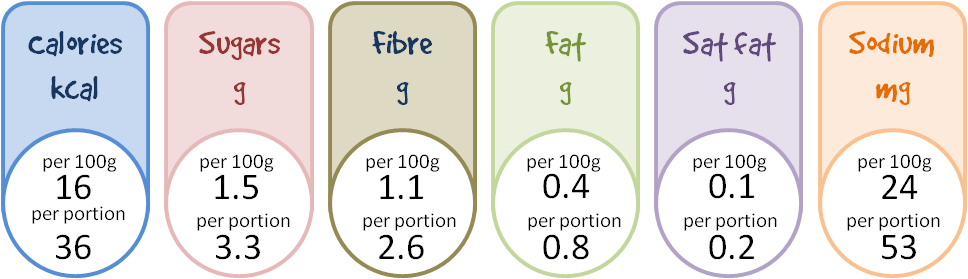
Nutritional information


If you have enjoyed this post and would like to keep in touch please sign up for my free email newsletter.

You can also visit my website and follow me on Facebook, Twitter, Pinterest and LinkedIn.

Friday, March 7, 2014

Moroccan-style sweet potato, red bell pepper and white bean stew

Moroccan-style sweet potato, red bell pepper and white bean stew with ras el hanout

A few weeks ago, I was in our local supermarket and picked up a recipe leaflet for a Moroccan dish using a spice called ras el hanout.

The recipe itself contained meat, so I wasn't interested, but ras el hanout is a spice mix I hadn't tried, so I decided to buy some and experiment with some plant-based dishes.

Ras el hanout is a Moroccan spice blend which consists of anywhere between eight and eighty different ingredients - from fragrant rose petals and bitter cloves to cumin, coriander and cardamom. It's rubbed into meat, it's stirred into rice, and it is responsible for the spiced-sweet aromas of Moroccan tagines. The name is Arabic for "head of the shop" and implies a mixture of the best spices the seller has to offer.

Ras el hanout

The ras el hanout I bought contains paprika, cumin seed, coriander seed, chilli flakes, black pepper, cinnamon, fennel seed, turmeric, pimento, shallot, cardamom, mace, pink peppercorn, rose petal, black onion seed, ginger, nutmeg, star anise, clove and galangal.

As it was cold and wet outside, I decided to create a delicious sweet, aromatic, spicy, warming and nourishing dish using sweet potatoes, red and yellow bell peppers, tomatoes, onions, cannellini beans and ras el hanout.


Sweet potatoes are an excellent source of carotenes. In general, the darker the variety of sweet potato, the higher the concentration of carotenes.

Sweet potatoes are also a very good source of vitamins C and B6; and a good source of manganese, copper, biotin, vitamin B5, B2 and dietary fibre.

Sweet potatoes contain unique root storage proteins which have been shown to have antioxidant activity.

Animal studies have shown that sweet potatoes actually help stabilise blood sugar levels and improve the response to the hormone insulin.

Bell peppers are some of the most nutrient-dense foods available. They are a good source of numerous nutrients including vitamin C, beta-carotene, vitamin K, vitamins B1, B6 and folic acid.

Bell peppers are also rich in phytonutrients with exceptional antioxidant activity, such as chlorogenic acid, coumeric acid and zeaxanthin.

Red bell peppers contain lycopene, a carotene also present in tomatoes, that protects against cancer and heart disease. Lycopene has been studied for its beneficial effects in preventing prostate cancer.

The major health benefit of common beans, such as cannellini beans, is their rich source of cholesterol-lowering fibre.

In addition to lowering cholesterol, the high fibre content of beans prevents blood sugar levels from rising too rapidly after a meal, so they are a good choice for those with diabetes, insulin resistance or low blood sugar.

Beans are also good for the heart because of their high content of antioxidants, folic acid, vitamin B6 and magnesium. Folic acid and B6 help lower levels of homocysteine, an amino acid which is an independent risk factor for heart attack, stroke and peripheral vascular disease.

Recipe


Serves 3-4

Ingredients


  • 1 tablespoon olive oil
  • 1 pinch sea salt
  • 1 medium red onion (finely chopped)
  • 1 clove garlic (peeled and finely chopped)
  • 2 teaspoons ras el hanout
  • 1 medium sweet potato (peeled and chopped into small chunks)
  • 1/2 red bell pepper (washed, deseeded and chopped)
  • 1/2 yellow bell pepper (washed, deseeded and chopped)
  • 1 can (400g/14oz) chopped tomatoes (drained weight 240g/8oz)
  • 1 tablespoon tomato puree
  • 1 300g/10.5oz can (175g/6oz drained weight) cooked cannellini beans or other white beans
  • 1 strip (2g) dried wakame sea vegetable (soaked in cold water for 5 minutes and chopped into small pieces). I add sea vegetables to every dish I can as they are so rich in minerals and healthy soluble fibre.
  • 1 dessertspoon sweet white miso (diluted in a little water to make it easier to mix into the stew)
  • Fresh parsley to garnish

Method


Put olive oil and salt in a pan and gently saute the onion and garlic until soft and translucent.

Add ras el hanout, sweet potato, red and yellow peppers, tomatoes, tomato puree, cannellini beans and wakame and simmer for 20 to 30 minutes, or until vegetables are soft.

Add miso to taste and simmer for a further 2 minutes.

Garnish with fresh parsley and serve on a bed of brown rice with a side dish of lightly steamed green vegetables, such as broccoli.

Nutritional information


If you have enjoyed this post and would like to keep in touch please sign up for my free email newsletter.

You can also visit my website and follow me on Facebook, Twitter, Pinterest and LinkedIn.

Wednesday, March 5, 2014

Creamy courgette (zucchini), leek, lime and basil soup


If you're looking for a light summer soup, you'll love this recipe. It's sweet, creamy (though no dairy products involved), light and delicious.

Courgettes or zucchini are a type of summer squash that resemble a cucumber in size and shape. They are low in calories and provide reasonable amounts of vitamin C, potassium and carotenes.

Carotenes are powerful antioxidants and help to protect the body from cancer and other chronic diseases.

Leeks have similar nutritional properties to onions. They are a good source of vitamins B6, C and folic acid; the minerals manganese and iron; and dietary fibre.

Like onions, leeks contain numerous beneficial substances, including flavonoids. In clinical studies, these substances have been shown to help decrease blood lipid levels and blood sugar levels.

The active blood sugar lowering compound is believed to be allyl propyl disulphide (APDS). Evidence suggests that APDS competes with insulin for breakdown sites in the liver, thereby increasing the life span of insulin.

Whenever possible, I add sea vegetables to my recipes, as they are rich in minerals and soluble fibre, which soothes the digestive tract.

So here's the recipe - hope you enjoy it - and please leave any questions or comments below.

Serves 4


Ingredients

  • Olive oil (1 tbsp)
  • A small pinch of fine sea salt
  • 3 medium leeks (sliced in half lengthwise, washed and cut in small pieces)
  • 3 courgettes (zucchini) (washed and sliced)
  • 1 strip wakame sea vegetable (soaked for 5 minutes and cut into small pieces)
  • 1 teaspoon dried basil or 1-2 tablespoons fresh basil (chopped)
  • Juice of 1/2 lime
  • 2-3 cups water
  • 1 dessertspoon of white (shiro) miso. You can use a stock cube or home made vegetable stock instead. I use miso because it's full of beneficial nutrients and antioxidants. Please click here to read more about cooking with miso.
  • Fresh basil to garnish

Method


Heat a saucepan, add the oil and a pinch of sea salt and gently saute the leeks for 5 to 10 minutes until soft and translucent

Add the rinsed wakame sea vegetable, courgettes (zucchini) and just enough water to cover the vegetables. If using dried basil, add now.

Cover and simmer for 15 minutes or until soft. If using fresh basil, add now after the other vegetables have cooked so you preserve the flavour.

Add the lime juice and blend to a smooth consistency, adjusting the liquid if necessary.

Dilute 1 dessert spoon of white miso in a little water and add gradually to the soup. Keep tasting until you have added enough miso to obtain a flavour you love.

Serve garnished with some fresh basil.

Nutritional information


If you have enjoyed this post and would like to keep in touch please sign up for my free email newsletter.

You can also visit my website and follow me on Facebook, Twitter, Pinterest and LinkedIn.