Showing posts with label sweet potato. Show all posts

Saturday, August 9, 2014

Caribbean chick pea (garbanzo bean), sweet potato and courgette (zucchini) curry


If you grow your own courgettes (zucchini) you'll know they seem to ripen all at once and you're scratching your head wondering what to do with them all.

The good news is there are numerous ways you can cook courgettes (zucchini) to create mouth-watering dishes. 

By combining courgettes (zucchini) in different ways with other vegetables, herbs and spices , you can transport your taste-buds to all corners of the globe and say goodbye to those piles of watery mushy pulp on your plate. 

Caribbean cuisine is a fusion of African, American Indian, European, East Indian, Arab and Chinese cuisine. These traditions were brought from many different countries when they went to the Caribbean. In addition, the local population has created styles that are unique to the region.

Ingredients which are common in most islands' dishes are rice, plantains, beans, cassava, coriander (cilantro), bell peppers, chickpeas (garbanzo beans), tomatoes, sweet potatoes, coconut, and any of various meats that are locally available like beef, poultry, pork or fish. 

This plant-based dish combines chickpeas (garbanzo beans), sweet potatoes, courgettes (zucchini), bell peppers, tomatoes, coconut and coriander (cilantro) with a variety of spices to create a healthy, flavourful and delicious curry.

Chickpeas (garbanzo beans) are an excellent source of molybdenum, which is needed for alcohol detoxification. They're also a very good source of fibre, folic acid (especially important during pregnancy), and manganese. In addition, they're a good source of protein, as well as minerals such as iron, magnesium, copper and zinc.

Chickpeas help lower cholesterol and improve blood sugar levels, making them a great food for diabetics and those with insulin resistance.


Sweet potatoes are an excellent source of carotenes, vitamins C and B6. They're also a good source of manganese, copper, biotin, vitamins B2 and B5, and dietary fibre.

Courgettes are low in calories and provide reasonable amounts of vitamin C, potassium and carotenes.

Carotenes are powerful antioxidants and help to protect the body from cancer and other chronic diseases.


Ingredients


• 1 tbsp olive oil
• 1 pinch sea salt
• 1 white onion (peeled and chopped)
• 1 clove garlic (peeled and crushed)
• 1 piece (30g/2oz) fresh root ginger (peeled and grated)
• 1 small hot red chilli pepper (seeds removed, finely chopped)
• 2 tbsp curry powder
• ½ tsp fenugreek seed
• 1 tsp cumin seed
• 10 curry leaves
• 1 tsp ground cinnamon
• 1 can (400g/14oz or 240g/8½oz) chickpeas/garbanzo beans
• 1 large (500g/1lb) sweet potato (peeled and chopped into 2cm chunks)
• 3 tbsp coconut powder dissolved in 1½ cups (350ml/12 floz) water, or 1 can coconut milk
• 2 tbsp arrowroot powder or corn flour (dissolved in a little cold water)
• 1 medium (300g/10½oz) courgette/zucchini (cut into small chunks – sprinkle with 1 tsp fresh lemon juice to prevent browning)
• 1 red bell pepper (seeds removed, cut into small pieces)
• 2 ripe tomatoes (washed and diced)
• 1 dessert spoon sweet white miso (dissolved in a little water)
• 1 tbsp fresh coriander/cilantro (washed and chopped)

Method


1. Add oil and pinch of sea salt to a large saucepan, put on a low heat and add onion. Sweat gently for a few minutes until onion soft and translucent. Add garlic, ginger, chilli pepper and spices (curry powder, fenugreek, cumin, curry leaves, cinnamon), chickpeas/garbanzo beans, sweet potato, 1 cup (½ pint/240ml) coconut milk and diluted arrowroot (adding arrowroot or cornflour at this stage prevents the coconut milk from separating). Simmer for 10-15 minutes until sweet potato begins to soften.

2. Add courgette/zucchini, red bell pepper and tomatoes and simmer for a further 10-15 minutes. Add remaining ½ cup coconut milk.

3. Mix in sweet white miso to taste. Garnish with fresh coriander/cilantro and serve with rice. 

Nutritional information


If you've enjoyed this post and would like to keep in touch please sign up for my free email newsletter.

You can also visit my website and follow me on Facebook, Twitter, Pinterest and LinkedIn.

Friday, March 7, 2014

Moroccan-style sweet potato, red bell pepper and white bean stew

Moroccan-style sweet potato, red bell pepper and white bean stew with ras el hanout

A few weeks ago, I was in our local supermarket and picked up a recipe leaflet for a Moroccan dish using a spice called ras el hanout.

The recipe itself contained meat, so I wasn't interested, but ras el hanout is a spice mix I hadn't tried, so I decided to buy some and experiment with some plant-based dishes.

Ras el hanout is a Moroccan spice blend which consists of anywhere between eight and eighty different ingredients - from fragrant rose petals and bitter cloves to cumin, coriander and cardamom. It's rubbed into meat, it's stirred into rice, and it is responsible for the spiced-sweet aromas of Moroccan tagines. The name is Arabic for "head of the shop" and implies a mixture of the best spices the seller has to offer.

Ras el hanout

The ras el hanout I bought contains paprika, cumin seed, coriander seed, chilli flakes, black pepper, cinnamon, fennel seed, turmeric, pimento, shallot, cardamom, mace, pink peppercorn, rose petal, black onion seed, ginger, nutmeg, star anise, clove and galangal.

As it was cold and wet outside, I decided to create a delicious sweet, aromatic, spicy, warming and nourishing dish using sweet potatoes, red and yellow bell peppers, tomatoes, onions, cannellini beans and ras el hanout.


Sweet potatoes are an excellent source of carotenes. In general, the darker the variety of sweet potato, the higher the concentration of carotenes.

Sweet potatoes are also a very good source of vitamins C and B6; and a good source of manganese, copper, biotin, vitamin B5, B2 and dietary fibre.

Sweet potatoes contain unique root storage proteins which have been shown to have antioxidant activity.

Animal studies have shown that sweet potatoes actually help stabilise blood sugar levels and improve the response to the hormone insulin.

Bell peppers are some of the most nutrient-dense foods available. They are a good source of numerous nutrients including vitamin C, beta-carotene, vitamin K, vitamins B1, B6 and folic acid.

Bell peppers are also rich in phytonutrients with exceptional antioxidant activity, such as chlorogenic acid, coumeric acid and zeaxanthin.

Red bell peppers contain lycopene, a carotene also present in tomatoes, that protects against cancer and heart disease. Lycopene has been studied for its beneficial effects in preventing prostate cancer.

The major health benefit of common beans, such as cannellini beans, is their rich source of cholesterol-lowering fibre.

In addition to lowering cholesterol, the high fibre content of beans prevents blood sugar levels from rising too rapidly after a meal, so they are a good choice for those with diabetes, insulin resistance or low blood sugar.

Beans are also good for the heart because of their high content of antioxidants, folic acid, vitamin B6 and magnesium. Folic acid and B6 help lower levels of homocysteine, an amino acid which is an independent risk factor for heart attack, stroke and peripheral vascular disease.

Recipe


Serves 3-4

Ingredients


  • 1 tablespoon olive oil
  • 1 pinch sea salt
  • 1 medium red onion (finely chopped)
  • 1 clove garlic (peeled and finely chopped)
  • 2 teaspoons ras el hanout
  • 1 medium sweet potato (peeled and chopped into small chunks)
  • 1/2 red bell pepper (washed, deseeded and chopped)
  • 1/2 yellow bell pepper (washed, deseeded and chopped)
  • 1 can (400g/14oz) chopped tomatoes (drained weight 240g/8oz)
  • 1 tablespoon tomato puree
  • 1 300g/10.5oz can (175g/6oz drained weight) cooked cannellini beans or other white beans
  • 1 strip (2g) dried wakame sea vegetable (soaked in cold water for 5 minutes and chopped into small pieces). I add sea vegetables to every dish I can as they are so rich in minerals and healthy soluble fibre.
  • 1 dessertspoon sweet white miso (diluted in a little water to make it easier to mix into the stew)
  • Fresh parsley to garnish

Method


Put olive oil and salt in a pan and gently saute the onion and garlic until soft and translucent.

Add ras el hanout, sweet potato, red and yellow peppers, tomatoes, tomato puree, cannellini beans and wakame and simmer for 20 to 30 minutes, or until vegetables are soft.

Add miso to taste and simmer for a further 2 minutes.

Garnish with fresh parsley and serve on a bed of brown rice with a side dish of lightly steamed green vegetables, such as broccoli.

Nutritional information


If you have enjoyed this post and would like to keep in touch please sign up for my free email newsletter.

You can also visit my website and follow me on Facebook, Twitter, Pinterest and LinkedIn.

Saturday, August 10, 2013

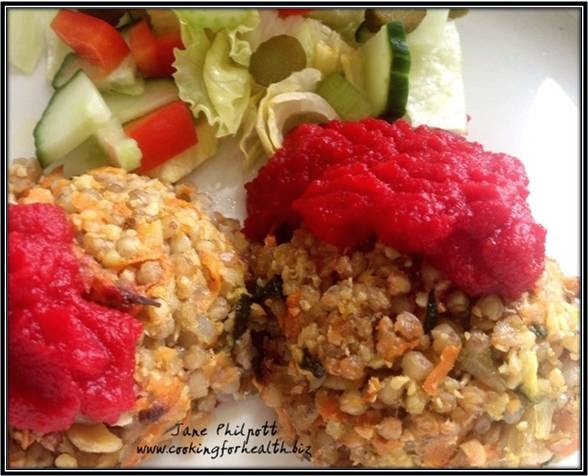
Buckwheat, sweet potato, courgette and cashew croquettes with roasted beetroot and onion sauce


Here is a gluten-free plant-based recipe for some savoury croquettes. These are versatile and easy to make. They can be served as a grain dish alongside other dishes as part of a main meal or eaten on their own with a green salad for a light lunch.


You may be thinking "what on earth is buckwheat?"

Despite its name, buckwheat is not botanically related to wheat at all.

This is excellent news if you are on a gluten-free diet.

Buckwheat is a broad-leaf plant, not a grass like wheat.

The term 'buckwheat' refers to plants in two genera of the family Polygonaceae: the Eurasian genus Fagopyrum, and the North American genus Eriogonum. Rhubarb is also a member of this plant family.

The crop plant, common buckwheat, is Fagopyrum esculentum.

Tartary buckwheat (F. tataricum Gaertn.) or "bitter buckwheat" is also used as a crop, but is much less common.


Buckwheat (Fagopyrum esculentum)

Common buckwheat was domesticated and first cultivated in southeast Asia, possibly around 6000 BC, and from there spread to Europe and to Central Asia and Tibet.  It was cultivated in Europe in the Balkans around 4000 BC.

In Central and Eastern Europe, kasha - cooked buckwheat - is eaten as porridge, used in pilav or for stuffing traditional Jewish snacks called knish.


Buckwheat grain

Buckwheat is either eaten whole or ground into flour to be used in breads, pancakes or thin noodles (soba).

It can be purchased raw to be lightly dry-roasted at home before cooking and generally combines well with vegetables.

In recent years, buckwheat has been used as a substitute for other grain in gluten free beer.

Nutrients and health benefits of buckwheat


Buckwheat contains about 75% carbohydrate, 18% protein and is rich in iron, zinc and selenium.

Its protein contains all of the essential amino acids except lysine, so its protein value is over 90%.

It also contains significant quantities of anti-oxidants.

One of these is called rutin, a phytochemical with interesting biological activities.

Conventionally, rutin is used as an antimicrobial, antifungal, and antiallergic agent. However, current research suggests potential benefits for the treatment of various chronic diseases such as cancer, diabetes, hypertension and hypercholesterolemia.

Rutin is said to strengthen capillary walls, reducing haemorrhaging in people with high blood pressure; reduce blood pressure; lower blood lipids; prevent damage from alcohol-induced inflammation in the liver; and increase circulation to the hands and feet.


RECIPE

Makes about 10 croquettes

Ingredients


Croquettes

1 cup buckwheat grain (washed)
2 cups boiling water from kettle
1/2 medium onion (finely chopped)
1/2 small sweet potato (grated)
1/4 medium courgette (zucchini), grated
1 small handful cashews (finely chopped)
1/2 strip wakame sea vegetable (soaked for 10 minutes and finely chopped) 

Sauce

4 small beetroot or 2 medium beetroot (washed and scrubbed)
2 medium carrots (peeled)
1 medium onion (unpeeled)
1/2 cup water
2 tsp white miso

Instructions


Sauce

  1. Pre-heat oven to 190 C, wrap beetroot, carrot and whole onion in foil and bake for 45 minutes or until vegetables are soft.
  2. While vegetables are cooking, prepare the croquettes as shown below.
  3. Allow beetroot, carrots and onion to cool, remove skins from cooked beetroot and onion. Cut cooked beetroot, carrot and onion into pieces, put all in a food processor and blend until smooth. Add water to achieve the desired consistency for a sauce. Add ume seasoning, apple juice concentrate and white miso to taste.

Croquettes

  1. Place buckwheat in a thick pan, add hot water, put the lid on and bring to the boil. When boiling, turn heat down low and simmer with the lid on for 20-30 minutes, until the buckwheat is soft and cooked. There should be no water left in the pan.
  2. While the buckwheat is cooking, saute the onion, grated sweet potato, grated courgette (zucchini) and spices until vegetables are soft and the onion translucent. Add chopped cashews and wakame.
  3. Mix vegetables with buckwheat, mould into round balls and flatten gently. If you use too many vegetables in proportion to buckwheat, the mixture will become too moist and the croquettes won't stick together. 
  4. Place on a greased baking tray and bake in a pre-heated oven at 180 C/gas mark 4 for 20 minutes or until croquettes are golden brown.
  5. Serve with beetroot and onion sauce and a salad garnish.


Variations


Like rice and other grains, buckwheat provides a neutral base to which almost any combination of seasonal vegetables, vegetarian proteins, herbs and spices can be added. 

You can also use a variation of this recipe to make buckwheat pilav. Use 1/2 cup buckwheat cooked in 1 cup water to the same quantity of vegetables listed above. Instead of forming into patties, just mix grain and vegetables together and serve with a garnish.


Buckwheat pilav


If you have enjoyed this post, please sign up for my newsletter to keep informed of new information, recipes and courses and visit my website.

You can also join me on Facebook, Twitter, Pinterest and LinkedIn.